

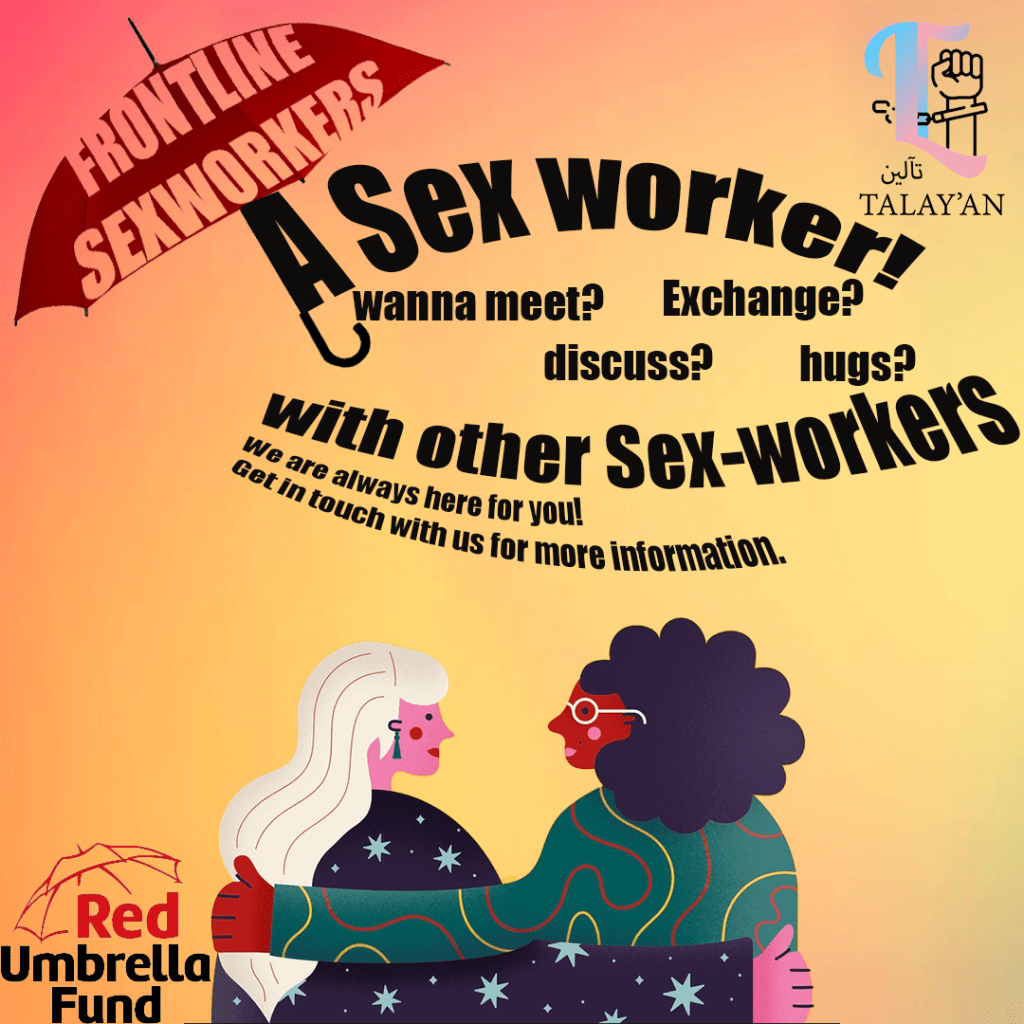
In the intricate landscape of Moroccan legislation, sex workers find themselves entangled in a web of complex legal constraints that profoundly influence their livelihoods and overall well-being. These legal hurdles predominantly stem from the Moroccan penal code, specifically articles 483, 489, 490, and 491. These articles have been employed to prosecute individuals engaged in a spectrum of consensual adult activities, encompassing offenses such as public indecency, homosexual relations, pre-marital heterosexual intercourse, and adultery.
Adding to this complexity is the glaring absence of a legal distinction between voluntary sex work and forced prostitution or human trafficking within the Moroccan legal framework. This ambiguity has far-reaching consequences for sex workers and the broader community. Articles 497 to 503 compound the predicament, imposing severe sanctions on any activities linked to the practice of sex work. This extends to individuals who own or operate premises that are frequented by sex workers or those who share a residence with them.
Consequently, sex workers and their communities confront a relentless wave of harassment, abuse, and persecution perpetrated by law enforcement agencies. Beyond these punitive legal measures, they endure systemic discrimination, which obstructs their access to fundamental rights, including essential healthcare services and equitable access to justice and protection from violence. The weight of this restrictive legal apparatus not only shapes the daily lives of sex workers but also hampers their ability to convene and effectively advocate for their rights.
 Talay'an